
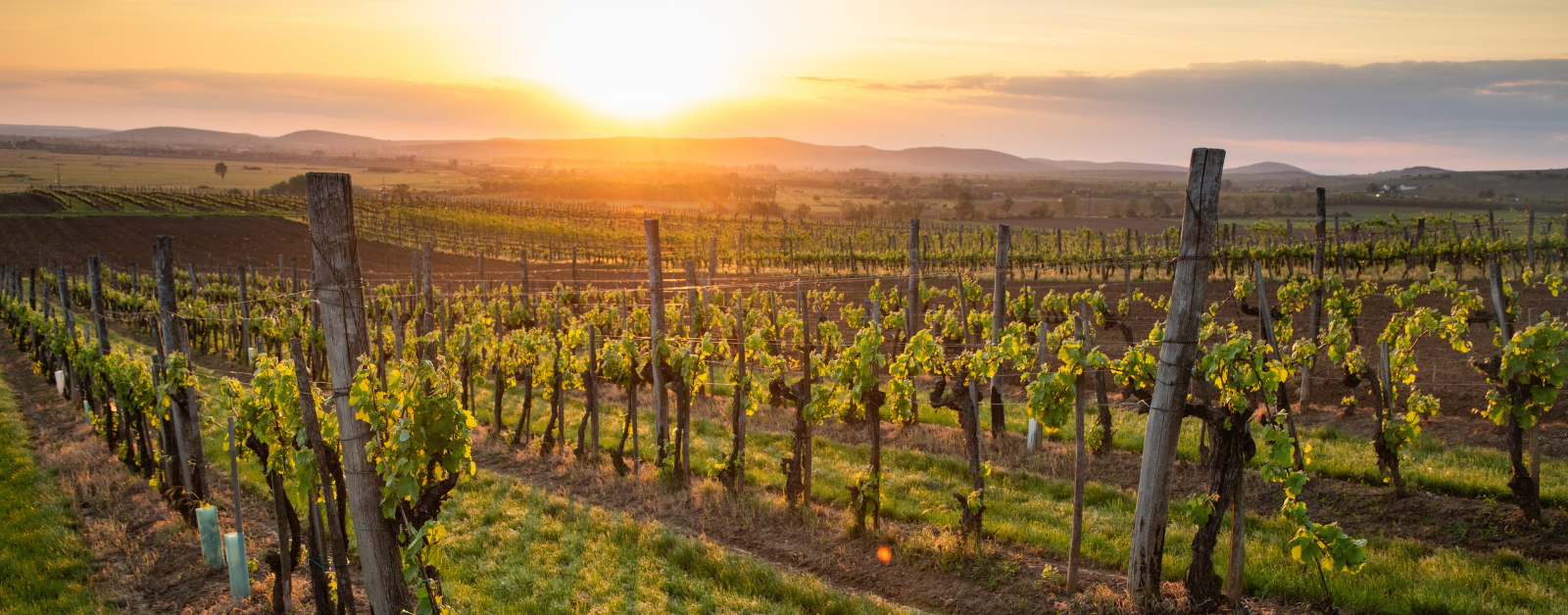
In recent years, slow living has become a global aspiration. Books, podcasts, and lifestyle brands promote it as an antidote to speed, stress, and excess. But in Central Italy, slow living is not a philosophy to adopt or abandon. It is the natural outcome of geography, history, and daily practice.
Here, life has always moved at a human pace, not because it is fashionable, but because it makes sense.
To understand slow living in Central Italy, we need to stop treating it as a trend and start seeing it for what it truly is: a cultural rhythm, shaped by land, seasons, and deeply ingrained habits of living.
Why is central Italy a perfect example of slow living

In Central Italy, no one ever sat down to design a slower way of life. There were no manifestos, no movements, no hashtags. Slowness persisted because the conditions demanded it.
Small towns, inland landscapes, and agricultural economies created a daily life structured around proximity and repetition. Work happened close to home. Food came from nearby fields or familiar hands. Social life revolved around places you could walk to. Regions such as Umbria and Marche developed far from the urgency of ports or industrial centers. Their towns were built for endurance, not expansion. As a result, life here never accelerated in the same way it did elsewhere.
Slow living, in this context, is not resistance. It is continuity.
Land dictates the pace
The first and most important teacher of slow living in Central Italy is the land itself. Hills, valleys, and mountains limit speed. Roads curve. Distances feel longer than they look on a map. Agriculture follows the logic of terrain, not efficiency. Olive trees cannot be rushed. Vines respond to microclimates. Harvests happen when they are ready, not when the market demands it.
This relationship with land shapes time. Days stretch and contract according to natural light. Seasons are not background scenery but structuring forces.
In Central Italy, slowness is not a lifestyle choice. It is the only way the land allows you to live.
Seasons are a framework, not a theme
Elsewhere, seasonality is often aesthetic: autumn colors, spring menus, summer escapes. In Central Italy, seasonality is organizational.
It determines:
- what is cooked
- when work intensifies or slows
- how communities gather
- when silence is respected
Winter is inward. Kitchens are active, fields are quiet, conversations linger. Spring brings preparation and anticipation. Summer expands life outward: late evenings, open doors, shared tables. Autumn is the most intense: harvests, oil pressing, wine making.
This cyclical structure gives life a predictable variation, removing the pressure to be constantly productive or available. Slow living emerges naturally when time has texture.
Everyday rituals create stability
One of the most misunderstood aspects of Italian life is ritual. From the outside, rituals can look quaint or repetitive. From the inside, they are anchors.
Morning coffee at the same bar. Shopping from the same butcher. Walking the same route through town in the evening. These habits are not signs of stagnation, they are systems of care. Rituals reduce decision fatigue. They create familiarity. They reinforce belonging. And they make space for what matters: conversation, observation, presence.
In Central Italy, slow living is sustained not by leisure, but by well-established routines that support daily life.
Slow does not mean idle

A common misconception is that slow living implies leisure or lack of ambition. In Central Italy, the opposite is often true.
Workdays can be long and physically demanding, especially in agricultural contexts. What differs is the distribution of effort. There is intensity when required, and rest when possible. Productivity is measured by outcome, not by constant activity.
This balance prevents burnout not through avoidance of work, but through respect for limits. Slow living is not about doing less. It is about doing what is necessary, well, and without unnecessary acceleration.
A social fabric built on presence
In Central Italy, social life is not scheduled far in advance. It happens organically, through proximity and repetition. People meet because paths cross. Conversations happen because time allows them to. Relationships are maintained through regular contact, not curated experiences.
This social structure reinforces slowness. When people are accessible, when places are familiar, when time is shared rather than managed, life naturally resists fragmentation. Slow living thrives in environments where presence is valued over performance.
Slow Living attracts a certain kind of traveler
Travelers drawn to Central Italy are often those who feel the strain of constant acceleration elsewhere. They are not looking to consume experiences, but to recalibrate.
They come seeking:
- depth rather than variety
- understanding rather than entertainment
- resonance rather than novelty
Central Italy offers this not through spectacle, but through everyday coherence. It invites visitors to adapt, rather than be accommodated. Slow living here is not staged. It simply exists, waiting to be noticed.
Modern life, gently integrated
Central Italy is not untouched by modernity. Technology exists. Global influences arrive. Younger generations reinterpret traditions. What distinguishes the region is not rejection of change, but selective integration.
New ideas are absorbed slowly, tested against existing structures, and adapted rather than adopted wholesale. This process preserves identity while allowing evolution.
To understand slow living in Central Italy is to understand something broader about Italian culture: that quality emerges from time and passion, not speed.
This is not nostalgia. It is a living system that continues to function because it works. Slow living here is not a retreat from the modern world. It is an alternative way of engaging with it, one that prioritizes land, seasons, relationships, and rhythm.
And perhaps that is why it feels so compelling today. Not because it is new, but because it has always been there.


Rispondi