
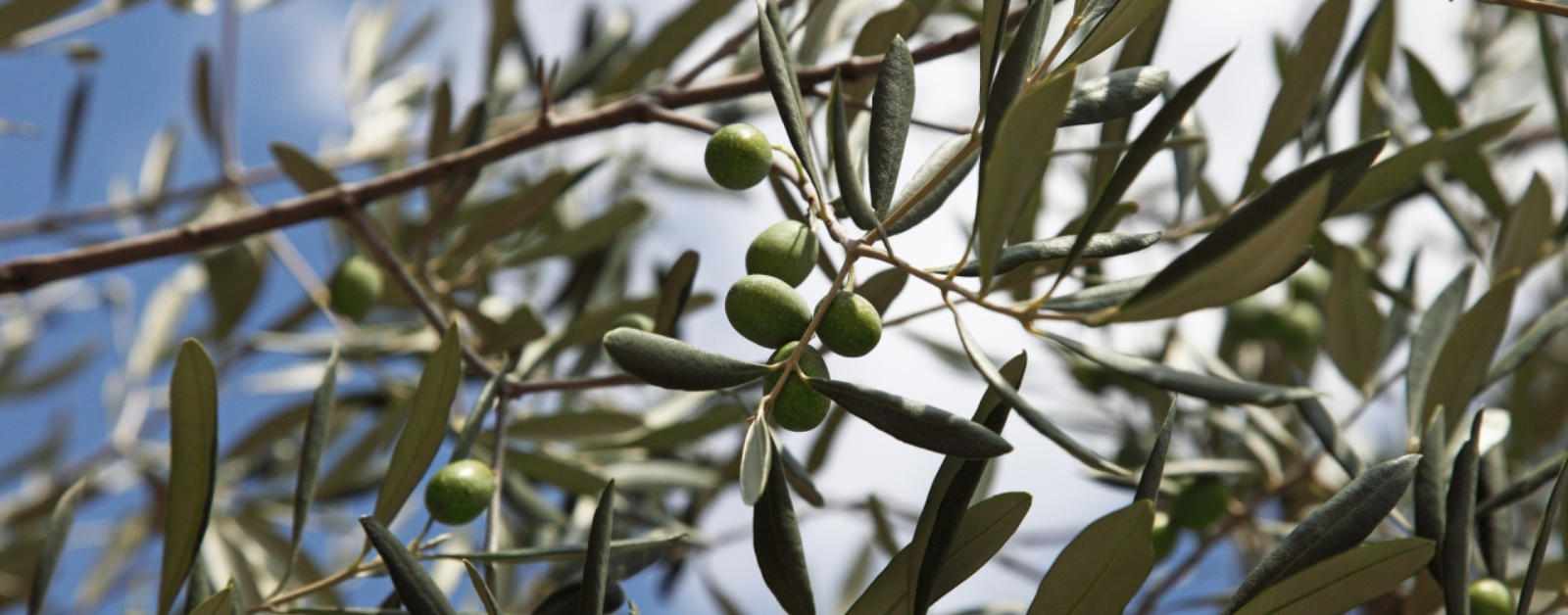
Central Italy olive oil is often spoken about as if it were a single product. Something to compare, rank, bottle, and export, often described with “marketing-focused” words like extra virgin, cold pressed, and award-winning.
While all these descriptions are true, they don’t explain an important thing: in Central Italy, olive oil is not primarily a commodity, it is a cultural expression, shaped by land, climate, family knowledge, and time. To understand Italian olive oil here is not only to memorize tasting notes, but to learn how a territory lives and works.
This article is not about choosing the best olive oil. It is about understanding why olive oil matters, and why central Italy offers one of the clearest examples of its cultural depth.
Olive oil as a landscape

In central Italy, olive trees are part of the visual and cultural fabric. They are not planted for spectacle, yet they shape how the land is perceived and used.
Across regions such as Umbria, inland Marche, southern Tuscany, and northern Lazio, olive groves follow the logic of hills, stone terraces, and exposure to light.
Trees grow where they can survive. Slopes determine spacing. Wind, altitude, and soil define character long before olives reach a mill. This is why olive oil here cannot be separated from place. It is, quite literally, land translated into flavor.
Olive trees demand time, and not just seasonally, but generationally. Many groves in Central Italy were planted decades, sometimes centuries ago. That’s why they were not designed for rapid yield or mechanized harvesting, but they were planted to last, to be tended, pruned, and passed on generation after generation.
This long horizon shapes behavior: olive growers think in years, not quarters. Decisions are conservative, often cautious, and change arrives slowly, tested against experience. Patience is not romantic here. It is practical. And it defines the rhythm of olive oil production far more than market demand ever could.
Central Italy olive oil culture
One of the defining traits of central Italy olive oil culture is scale. While there are industrial sites, the majority of the groves are small, and production is fragmented. Families manage plots alongside other work, and mills serve entire communities rather than single big brands.
This structure makes uniformity impossible. And that is precisely the point.
Each area, sometimes each hillside, produces oil with its own balance. Bitterness, fruitiness, pungency vary not because of technique alone, but because of micro-territories. Understanding Italian olive oil here means accepting variation as a value, not a flaw.
Cultivars as local knowledge
Central Italy is home to cultivars that rarely appear on international labels. Moraiolo, Frantoio, Leccino, and many local variants that exist almost exclusively within specific valleys.
These cultivars are not chosen for yield alone. They persist because they respond well to local conditions and because families know how to work with them. Cultivar knowledge is often oral. It is learned by observation, repetition, and memory. This makes olive oil culture here deeply human and difficult to standardize.
Harvest is a collective moment

Olive harvest is not simply an agricultural task, it is a seasonal reorganization of life.
In autumn, routines shift and work schedules change: families gather and meals adapt, while harvest days begin early and end tired. This intensity gives olive oil its cultural weight. It is the result of concentrated effort within a short window, followed by long months of waiting.
The olive mill is where landscape becomes oil, and it is also where community becomes visible. People wait together, discussing yields, weather, timing, until they can taste fresh oil with bread. Freshly pressed olive oil is not yet polished or balanced: it is raw, aggressive, green, however at this time tasting it is less about pleasure and more about recognition of their hard work and passion. That’s why freshly pressed olive oil is often the best olive oil.
Why central Italy olive oil resists simplification
Italian olive oil, especially from central Italy, does not lend itself easily to mass narratives. It resists:
- standard flavor profiles
- large volume consistency
- purely commercial storytelling
This resistance is structural, not ideological. When olive oil is rooted in small plots, family labor, and seasonal limits, it cannot behave like an industrial product. Attempts to frame it as such often flatten its meaning.
To explain Italian olive oil properly, one must explain context before quality.
Olive oil in everyday life
In Central Italy, olive oil is used daily, without ceremony. It seasons vegetables, finishes soups, binds sauces, preserves simplicity, and it is rarely discussed while being used.
This ordinariness is essential. Olive oil is important because it is constant, not because it is rare. When something is part of every meal, it shapes taste quietly and permanently.
Education through use
People here learn olive oil not through courses or tastings, but through repetition. Children absorb flavor memory early, they recognize bitterness as normal, not aggressive, and they understand freshness instinctively. They also learn naturally the growing and harvesting of olive trees, with knowledge passed down generationally.
This lived education creates discernment without vocabulary: a form of knowledge that cannot be replicated through marketing.
Central Italy and the meaning of quality

Quality, in this context, is not defined by awards, export success or other commercial KPIs. It is defined by:
- coherence between land and outcome
- respect for seasonal limits
- continuity of practice
A good olive oil is one that reflects its place honestly. This is why central Italy olive oil explained purely through chemistry or certification always feels incomplete. Those elements matter, but they are secondary to cultural alignment.
Understanding before choosing
For travelers and readers approaching Italian olive oil for the first time, central Italy offers an important lesson. Before choosing, ranking, or buying, there is value in understanding.
Understanding that olive oil is not interchangeable. That bitterness can mean vitality. That inconsistency can signal authenticity. That place matters more than branding. Italian olive oil is not a product category, it is a cultural system that continues to function because it remains rooted in land, people, and time.
And nowhere is this more evident than in the regions of central Italy.


Rispondi